


Understanding Forex Trading Investment: Strategies for Success
Forex trading investment carries significant potential for profitable returns. With the foreign exchange market being the largest and most liquid financial market globally, it presents numerous opportunities for both seasoned investors and novices. By leveraging various strategies and insights, traders can enhance their investment decisions. For those interested in trading, visiting forex trading investment Best Islamic Trading can provide valuable resources tailored to specific trading needs.
The Basics of Forex Trading Investment
The forex market operates 24 hours a day, five days a week, allowing traders to buy and sell currency pairs from anywhere in the world. The essence of forex trading is to speculate whether the value of one currency will rise or fall compared to another. A key concept is the ‘currency pair’, which consists of a base currency and a quote currency. For example, in the currency pair EUR/USD, the euro is the base currency, and the US dollar is the quote currency.
The Importance of Strategy
Successful forex trading investment heavily relies on strategy. Traders develop techniques based on various factors, including market trends, economic indicators, and geopolitical events. A well-planned strategy can help mitigate risks and enhance profit potential. Two primary approaches to forex trading are fundamental analysis and technical analysis.
Fundamental Analysis
This approach evaluates economic indicators, news events, and geopolitical factors to forecast currency movements. Key indicators include interest rates, employment data, inflation rates, and GDP growth. For example, if a country’s central bank raises interest rates, it may lead to a stronger currency as higher rates attract foreign investments.
Technical Analysis
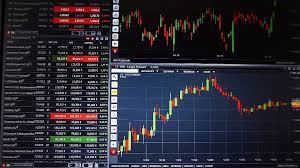
Technical analysis employs historical price data to identify patterns and trends. Traders use charts and technical indicators, such as moving averages, RSI, and MACD, to make informed decisions. The idea is to predict future price movements based on past behavior, helping traders identify potential entry and exit points.
Risk Management in Forex Trading
Risk management is a crucial component of successful forex trading investment. Due to the high volatility of the forex market, traders must implement strategies to protect their capital. Here are several key risk management techniques:
Setting Stop-Loss Orders
Stop-loss orders are predetermined levels at which a trader will exit a trade to prevent further losses. By implementing stop-loss orders, traders can limit their exposure to adverse market movements.
Diversification
Diversifying a trading portfolio by investing in various currency pairs can spread out risk. This approach can reduce the impact of a single negative event on the overall investment.
Position Sizing
Determining the size of each trade is essential. Traders should calculate the appropriate position size based on their account balance and risk tolerance to avoid taking on excessive risk.
Choosing the Right Broker
Selecting a reputable forex broker is pivotal for successful trading. Traders should consider factors such as regulatory compliance, trading platforms, commission structures, and customer service. Reading reviews and comparing different brokers can aid in making an informed choice.
Creating a Trading Plan
A comprehensive trading plan outlines a trader’s goals, strategies, and risk management criteria. This plan serves as a roadmap for decision-making and helps maintain discipline during trading. Traders should regularly review and refine their plans based on market conditions and personal experiences.
Staying Informed and Adapting
The forex market is dynamic, with constant changes stemming from economic data releases, geopolitical tensions, and global events. Staying informed about these factors can give traders a competitive edge. Adapting strategies to align with changing market conditions is crucial for long-term success.
Conclusion
Forex trading investment presents unlimited opportunities for those willing to invest time and effort into learning the market. By understanding the fundamentals, employing robust trading strategies, managing risks effectively, and choosing the right broker, traders can enhance their chances of success. Whether you are a beginner or an experienced trader, continuous education and adaptation are key components in navigating the complexities of forex trading. With the right mindset and tools, forex trading can become a rewarding venture.